
A strong brand begins with a memorable visual identity, and color plays a major role in shaping that identity. This brand color guide helps entrepreneurs, startups, and business owners understand how different colors influence customer perception and brand recognition.

The colors you choose for your logo, website, marketing materials, and packaging communicate messages before a customer ever reads a word. Therefore, selecting the right color palette is one of the most important branding decisions you will make.
At Brandings®, our branding specialists carefully evaluate color psychology, industry expectations, target audiences, and brand positioning before recommending a color strategy. While every brand is unique, this guide provides a solid foundation for choosing colors that support your business goals and strengthen your market presence.
Why Brand Colors Matter
Color influences how consumers feel about a company. In fact, research consistently shows that color affects purchasing decisions, trust, recognition, and emotional response.
The right colors can:
- Increase brand recognition
- Build trust and credibility
- Differentiate your company from competitors
- Create emotional connections with customers
- Support your brand’s personality and positioning
On the other hand, poorly chosen colors may create confusion, send unintended messages, or weaken your brand image.
Understanding Color Psychology

While cultural differences and industry trends can influence color perception, the following color associations are commonly recognized throughout Western markets.
Red
Common Associations:
- Energy
- Passion
- Strength
- Excitement
- Courage
- Intensity
Ideal Industries:
- Consumer products
- Fitness brands
- Women’s products
- Entertainment companies
- Lifestyle brands
Red attracts attention quickly and creates a sense of urgency and action.sed colors because it projects confidence and reliability.
Green
Common Associations:
- Growth
- Prosperity
- Nature
- Health
- Renewal
- Balance
Ideal Industries:
- Financial services
- Environmental organizations
- Healthcare companies
- Wellness brands
- Agricultural businesses
Green often communicates stability, sustainability, and long-term growth.
Dark Blue
Common Associations:
- Trust
- Stability
- Authority
- Intelligence
- Security
Ideal Industries:
- Banking
- Financial services
- Technology companies
- Professional services
- Corporate organizations
Dark blue remains one of the most widely used colors because it projects confidence and reliability.
Light Blue
Common Associations:
- Calmness
- Cleanliness
- Peace
- Spirituality
- Clarity
Ideal Industries:
- Healthcare
- Baby products
- Religious organizations
- Wellness services
- Spas
Light blue creates a welcoming and reassuring impression.
Orange
Common Associations:
- Enthusiasm
- Creativity
- Energy
- Innovation
- Friendliness
Ideal Industries:
- Children’s products
- Startup companies
- Creative agencies
- Consumer brands
Orange helps brands stand out while maintaining an approachable personality.
Black
Common Associations:
- Luxury
- Sophistication
- Power
- Elegance
- Prestige
Ideal Industries:
- Luxury goods
- Technology
- Fashion
- Automotive
- Manufacturing
Black works exceptionally well as both a primary brand color and a contrasting design element.
White
Common Associations:
- Purity
- Simplicity
- Cleanliness
- Transparency
Ideal Industries:
- Healthcare
- Beauty products
- Wellness brands
- Technology companies
White often serves as a powerful supporting color that enhances readability and vis image.
Pink
Common Associations:
- Compassion
- Femininity
- Creativity
- Individuality
Ideal Industries:
- Beauty brands
- Women’s products
- Lifestyle companies
- Boutique businesses
Pink can help create a distinctive and memorable brand personality.
Brown
Common Associations:
- Dependability
- Earthiness
- Authenticity
- Strength
Ideal Industries:
- Outdoor brands
- Construction
- Apparel
- Industrial businesses
Brown creates a grounded and dependable image.
Purple
Common Associations:
- Creativity
- Imagination
- Luxury
- Wisdom
- Innovation
Ideal Industries:
- Creative agencies
- Beauty brands
- Lifestyle companies
- Premium products
Purple often appeals to brands that want to appear unique and innovative.
Yellow
Common Associations:
- Optimism
- Happiness
- Energy
- Warmth
Ideal Industries:
- Children’s products
- Consumer goods
- Hospitality
- Retail
Yellow attracts attention and creates a positive emotional response.lue.
Gray
Common Associations:
- Balance
- Professionalism
- Technology
- Stability
Ideal Industries:
- Technology firms
- Engineering companies
- Industrial businesses
- Corporate organizations
Gray provides a modern, professional appearance and pairs well with almost any accent color.
Gold
Common Associations:
- Success
- Wealth
- Prestige
- Achievement
Ideal Industries:
- Luxury brands
- Professional services
- High-end consumer goods
Gold communicates exclusivity and premium value.
Understanding Color Models
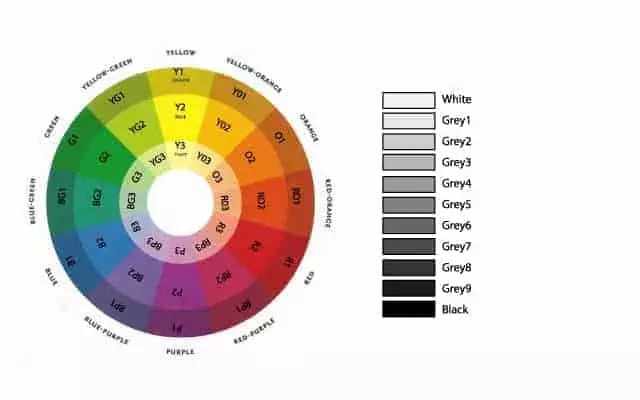
In addition to selecting colors, you should understand how color systems work across different media.
RGB Color Model
RGB stands for Red, Green, and Blue. Digital screens create colors by combining these three light sources.
Best Used For:
- Websites
- Mobile applications
- Digital advertising
- Social media graphics
CMYK Color Model
CMYK stands for Cyan, Magenta, Yellow, and Key (Black). Commercial printers use this model to reproduce color on physical materials.
Best Used For:
- Business cards
- Brochures
- Packaging
- Printed marketing materials
HSB Color Model
HSB stands for Hue, Saturation, and Brightness.
This model allows designers to adjust:
- Hue (the actual color)
- Saturation (color intensity)
- Brightness (lightness or darkness)
Many graphic design applications use HSB controls for advanced color customization.
How to Choose the Best Brand Colors
Before selecting your final palette, ask yourself:
- What emotions should customers associate with my brand?
- Who is my target audience?
- What colors dominate my industry?
- Should my brand blend in or stand out?
- Will these colors work consistently across digital and print media?
A carefully chosen color palette should reinforce your brand strategy while remaining flexible enough to support future growth.
Brandings® Brand Color Chart
Our design team has developed a comprehensive color chart to simplify the selection process. Whether you need logo colors, typography colors, or a complete brand palette, our experts can help you identify the right combination.
If you already have a specific color in mind, simply provide:
- RGB values
- CMYK values
- HSB values
- Pantone references
- Web Safe RGB specifications
- PDF color samples
Our team will incorporate those specifications into your branding project whenever possible.
Need Help Choosing Brand Colors?
Choosing the right color palette can feel overwhelming, especially when every color sends a different message. Fortunately, you do not have to make the decision alone.
The Brandings® design team is available to help you develop a color strategy that aligns with your industry, audience, and long-term branding goals.
Contact us anytime at 1-800-852-8900 or email info@brandings.com to discuss your project. We are ready to help you build a stronger, more memorable brand.
A brand color guide explains how different colors influence customer perception and helps businesses select colors that align with their brand identity and goals.
Brand colors help create recognition, communicate brand values, build trust, and influence customer emotions and purchasing decisions.
Choose colors that reflect your brand personality, appeal to your target audience, fit your industry, and work consistently across digital and print materials.
RGB colors are used for digital displays such as websites and mobile apps, while CMYK colors are used for printed materials such as brochures, business cards, and packaging.
Yes. Color psychology can influence trust, excitement, purchasing decisions, and overall brand perception, making color selection an important part of branding strategy.
Trending Topics
How Brandings Can Help Brand Your Business
About Domain Names
Company Name Generator
Understanding Your Firm’s Strategy
Cool Technology Company Names
Master Naming Blender Blunder
Elements Of Brand Positioning
Custom Website Development
Logo Design And Creation Process
Whats In Your Company Name Package
Clever Names For A Company
Random Brand Company Name Generator
Construction Company Name Generator
How To Find Available Domain Names
Finding The Perfect Company Name
10 Point Guide Sample Business Plan For A Start Up Business
Why Great Start Ups Start With Brandings